

Before You Set a Fleet Electrification Goal, Have This Conversation
At COP31 in Türkiye, electrification has taken center stage. The host presidency is asking countries to back a goal of meeting 35% of the world’s final energy demand with electricity by 2035, up from just over 20% today. (Canary Media has a good explainer.) Electrification is clearly one of the top climate solutions in the global conversation.
For local governments, that momentum is useful, but it also raises a question. If “electrify everything” is the headline, what do you actually do with your municipal fleet? The answer won’t come from a pledge or a target. It starts with one person: your fleet manager. Here’s why and what to do about it this budget season.
Start With the Person, Not the Plan
When a fleet manager pushes back on electrification, it’s easy to assume they’re opposed to climate action. Usually they’re not. They’re worried about being handed equipment their mechanics haven’t been trained to maintain or vehicles that can’t do the job on the worst day of the year. Those are legitimate concerns, and they’re solvable.
But you can only solve them if you know about them. People work with people, not plans or goals. Don’t assume your fleet manager has read your climate action plan or cares about it. And don’t lean on “the Mayor told us to do it.” That’s a recipe for the bare minimum, not for the buy-in and partnership you need to make this work.
Instead, sit down with them before you set or revise any targets. Ask what their priorities and challenges are in general, not just where climate is concerned. What’s aging out? What keeps breaking? Where are they short on staff or training? Then help where you can. Workforce training belongs in your fleet transition plan from day one, not as an afterthought once the vehicles arrive. Same thing goes for understanding infrastructure implications.
This is what implementation looks like. It’s not just writing the policy or setting the target. It’s understanding the operational reality, getting the right people on board, and building the capacity to follow through.
Municipal Vs. Community Emissions: Pick Your Battles
Many climate plans set a goal to electrify the entire municipal fleet. It sounds ambitious and can be met with rave public reviews, but in practice it can stall progress before it starts.
Put yourself in the shoes of the police chief, the fire chief, the public works director, or the fleet manager hearing that goal. Each of them runs operations with real constraints, and many hear “electrify everything” as “we’re going to replace equipment you depend on with something that may not work for you yet.” That’s how climate staff end up with battles and delays they don’t need to have, over vehicles where the technology or the economics aren’t there yet.
Here’s the larger context: Municipal operations are often just a small share (typically 1-3%) of a community’s total greenhouse gas emissions. Burning bridges over every specialized vehicle or piece of equipment can cost you the goodwill you’ll need for much bigger wins.
You’re in this to reduce emissions, which mostly come from the choices your community members make about how they heat, cool and power their homes and the vehicles they drive. Your climate plan then likely has goals to increase EV registrations and expand charging infrastructure. You could use some well-positioned voices to champion those efforts. So, you need to build relationships and foster rapport for the big-ticket (i.e. biggest piece of the emissions pie) wins. Don’t jeopardize those opportunities for something that’s ultimately a fraction of your emissions.
Side note: This post speaks to fleet electrification strategy, and part of that is about walking the talk and leading by example at the municipal level. But the more critical part is how your catalyze community action and ignite behavior change. KLA’s ActionReady™ program focuses on targeting the replacement decisions residents are already making re: heat pumps, EVs, solar. ActionReady is designed to get at that “bigger piece of the pie” community emissions in a very targeted, strategic way. Check it out.
Start With the Easy Calls
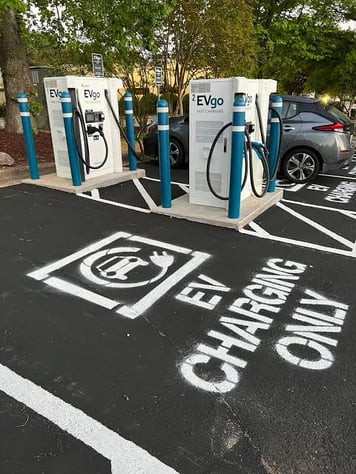
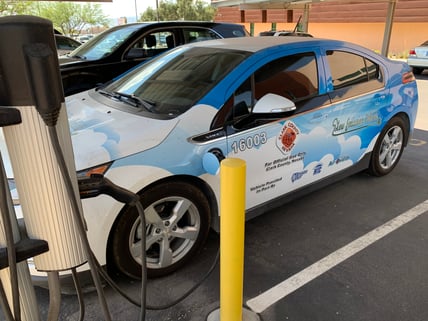
So where should you start with the fleet? Passenger cars, inspectors’ vehicles and other light-duty vehicles. These are the places where electric options are readily available and the case is clearest. Work with the fleet manager to roll out electric options in a way that you can test and evaluate them and apply lessons learned moving forward.
Starting with the low-hanging EV fruit is the fastest way to scale. Fleet staff get comfortable with the vehicles, drivers see that they work, and the next decision gets easier.
And replace them when they’re due. The goal isn’t to retire a vehicle that still works so you can say you acted. It’s to make the better choice when a real replacement decision comes up.
Pilot Where It Counts
Not electrifying heavy-duty vehicles across the board doesn’t mean ignoring them. It means testing strategically.
One of our clients put an electric waste-hauling truck, an expensive piece of equipment, on a route serving an environmental justice neighborhood. That way, the dirtiest diesel trucks weren’t disproportionately running through a community already carrying the heaviest burden. It wasn’t a wholesale fleet conversion. It was a smart demonstration that put the benefits where they mattered most.
Emerging technology deserves the same treatment. Extended-range electric vehicles could make sense for public works trucks in colder climates, where a vehicle may need to plow through a long storm without stopping to charge. Grants can help you test options like these and learn what works before making bigger commitments.
A caveat here is to know whether your fleet manager and their department are known for being innovative and willing to try new things. Some local governments want to be on the cutting edge while others take more of a “wait and see” approach and will need more evidence-based proven results before they make a move.
What You Can Do This Budget Season
Steady, practical steps will get you further than a goal everyone quietly ignores. Here’s where to start:
- Meet with your fleet manager first. Listen to their priorities and challenges before you talk about targets, assess whether they are the proactive and innovative type, and genuinely look for ways to help.
- Review the fleet replacement schedule together. Look at the next two to three years and flag the light-duty vehicles where an electric option is an easy swap.
- Pick one pilot. Choose a place where an emerging technology could deliver outsized benefits, and look for grants to support it.
- Build in training. Make sure the mechanics who will maintain these vehicles are part of the plan from day one.
- Present it in the budget together. A plan you and your fleet manager bring forward as partners will land very differently than one handed down from the climate office.
Listen to the Full Conversation
I covered all of this and more on the Kilowatt podcast, including my take on extended-range EVs and my recent personal experience shopping for an EV.
More Resources
A few years back as part of KLA’s Climate Solutions webinar series, we talked about EV fleets with representatives from the Electrification Coalition, the City of San Antonio and New York City (their Chief Fleet Officer). You can watch the webinar and download the tipsheet.


